Bean Cup Coffee Machine Explained In Less Than 140 Characters


Bean Cup Coffee Machines
Bean-to-cup machines are simple and high-quality, as well as versatile. They're ideal for businesses looking to provide a top-quality coffee experience for their staff and customers.
They also offer a great level of customisation which allows you to select the quality and type of beans you use, as well in the degree of coarseness of the grind.
Simple to use
Contrary to traditional espresso machines that require you to manually clean the coffee grinder and filter, bean cup coffee machines are completely automated. They come with a water tank as well as a heating unit that work together to make the perfect cup of espresso. They also have a built-in cleaning and descaling unit to keep your machine running at peak performance.
A lot of these machines have a simple digital display that guides users through the entire process of brewing, giving them step-by-step guidance on grinding and tamping, extraction and texturing milk. Some machines even provide prompts to alter the size of the grind and the temperature of the water to make a more personalized cup of coffee. In addition, these machines usually have a built-in fresh or granulated milk system that is easy to use and clean.
A bean-to-cup machine may also serve a variety of drinks. The majority of these machines can brew espresso, latte, and cappuccino at the touch of one button. Some machines also serve special drinks such as mochas, macchiatos, and coffee iced.
You can also choose one that is compatible with the type of milk you prefer. Some coffee makers have an inbuilt milk frother while others have an external one that is easier to use. You can also choose a model with an energy-saving Eco mode to reduce the use of electricity.
A bean-to-cup coffee maker can save you a lot of time and money, especially in the long-term. It is less expensive to operate and requires less maintenance than an traditional espresso machine. A bean-to cup machine is ideal for offices, as it eliminates staff training and eliminates waste. This makes it a desirable option for companies that want to offer a high-quality coffee service. These machines are also easy to use and provide a fantastic self-service option to employees. They can brew a cup of coffee within 20 to 60 seconds, which makes them the perfect solution for busy workplaces.
High-quality coffee of high-end quality
The quality of coffee produced by a bean to cup machine is often superior to that produced by an espresso machine that is traditional. This is due to the fact that the machine can grind and prepare your coffee in only one step. It does this without making use of any coffee and creates a coffee that is consistent. This makes it an excellent choice for offices and homes where people like a variety of coffee drinks.
A bean-to-cup coffee maker can also save you money over time. It requires less maintenance than traditional espresso makers and is more robust than manual machines. Furthermore, it produces more coffee at the touch of the button. This will help you save time and money over the long term and can improve workplace productivity.
Many bean-to-cup coffee makers include a variety of options that let you personalize your drink. They can also help you regulate the temperature and strength of your coffee. They can even make different kinds of coffee, such as cappuccinos or lattes. Some models include features that allow you to prepare multiple drinks at one time which makes them a great choice for busy offices and households.
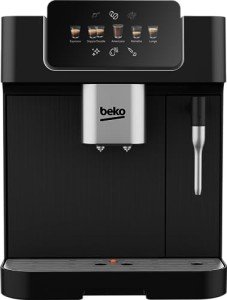
These machines are simple to use and can make various drinks. Most have touchscreens and a user-friendly design. They come in a variety of sizes and colors, and can be installed anywhere in the kitchen. Most of these machines are created to work with whole beans, however they can also be used with ground coffee. Some of the more sophisticated models include a smartphone application that lets you monitor and control the machine remotely.
Although bean-to-cup coffee makers have a higher upfront cost than traditional coffee machines, they can be a good investment in the end by cutting down on costly barista-made drinks and eliminating the need for costly training. In addition, they provide a more consistent cup of coffee and are less likely to cause errors, such as grinding or tamping errors that can occur in an espresso machine.
Low Maintenance
Bean-to-cup machines are ideal for those who like coffee but don't want to bother with it. They grind, press and brew the coffee in one go which makes them more convenient to use than traditional espresso machines. They are also easy to clean and are available in a variety of styles. Some are compact and portable, whereas others are big enough to be placed in a coffee shop. The controls range from simple text to touchscreens and even Wi-Fi connectivity, which allows you to operate the machine from your tablet or smartphone.
To keep its function A commercial bean to cup machine should be cleaned regularly. It is important to follow the directions given by your manufacturer and supplier. If you don't clean the machine, then it will begin to degrade. The machine's water tanks may become blocked by milk and other debris, which can affect its ability to function correctly. Additionally the heating system could be damaged due to limescale, which will eventually stop the heating unit from functioning.
Regular cleaning of the machine can prevent this build-up and also save money on repairs and service calls in the long term. The majority of manufacturers offer detailed instructions on how to can keep your coffee maker in top condition. They are found in the manual, which must be read through thoroughly prior to using the machine.
In addition to washing the machine after every use, it is important to also clean the brewing unit on a daily basis. You can do this with the bean-to-cup machine-friendly products like cappuccino cleaner and descaling solution.
Descalers are the most effective way to avoid limescale buildup and other residues. There are commercial coffee machine descalers in a variety of forms, including liquids and tablets. Tablets are particularly useful in the event that your water is hard. It is also recommended to run a routine cleaning at least every two months. This will remove mineral deposits that could cause unpleasant tastes and can reduce the performance of your machine.
Easy to clean
As opposed to click through the next page , bean-to cup models require a bit more care to ensure they are running smoothly. Usually, manufacturers will include detailed cleaning and descaling instructions in the machine manual and must be followed according to the guidelines. This can help reduce downtime, and save you money on call-out costs.
It's also important to periodically clean the drip tray and the dreg drawer. These areas can alter the taste of drinks in the future and even promote bacterial growth. A clogged nozzle can also slow the heating process down and divert the stream in undesirable directions.
Cleaning is especially important for bean-to-cup coffee machines as they use fresh milk for every drink. If the lines and the milk tank aren't cleaned regularly and a build-up of sour milk can not only affect the taste of your coffee, but also make customers ill.
A bacterial buildup can also cause your machine to stop working. Your staff will then need to make their coffee on their own. Fortunately, a lot of bean-to-cup coffee makers have a milk flush cycle that can be run automatically, after the set amount of drinks or after a certain amount of time with no use.
Most of these cycles will be a backflush, using clean water to clear the pipes inside the machine and prevent clogs. This should be performed regularly to ensure the health of the machine, ideally at the end of each day. Additionally, some machines come with special cleaning tablets that can be placed inside the coffee container and run through a separate programme - be sure to follow the instructions of the manufacturer for best results.